Creating a website is no longer just about having an online presence. In today’s highly competitive digital landscape, businesses need websites that are user-friendly, fast, secure, mobile-responsive, and built using the latest technology trends. A well-designed website can significantly improve customer engagement, increase conversions, strengthen brand credibility, and help businesses stay ahead of competitors.
Modern users expect seamless experiences. If a website is difficult to navigate, slow to load, or not optimized for mobile devices, visitors are likely to leave and choose a competitor instead. This is why investing in a user-friendly website powered by modern technologies has become essential for businesses of all sizes.
As businesses continue to embrace digital transformation, working with experts in web design and development can help create websites that deliver exceptional user experiences while incorporating the latest innovations.
Key Highlights
- Improves user experience and customer satisfaction
- Increases website engagement and retention
- Enhances SEO performance and search rankings
- Boosts conversion rates and sales
- Strengthens brand credibility and trust
- Provides better mobile responsiveness
- Improves website speed and performance
- Enhances security and data protection
- Supports scalability and future growth
- Leverages AI, automation, and modern development frameworks
Understanding a User-Friendly Website
A user-friendly website is designed with the visitor in mind. Every element, from navigation menus to content structure, aims to help users find information quickly and complete desired actions effortlessly.
Characteristics of a user-friendly website include:
- Intuitive navigation
- Fast loading speed
- Mobile responsiveness
- Clear calls-to-action
- Accessible design
- Secure browsing experience
- Easy-to-read content
- Consistent branding
- Optimized user journey
When users can easily navigate a website and achieve their goals without frustration, they are more likely to become customers and recommend the business to others.
Why User Experience Matters More Than Ever
User experience (UX) has become one of the most important ranking and conversion factors online.
Search engines like Google prioritize websites that provide excellent user experiences. Factors such as page speed, mobile usability, and engagement metrics influence search rankings.
Additionally, users have become increasingly impatient. Research consistently shows that visitors expect pages to load within a few seconds. Even minor delays can result in lost traffic and revenue.
Businesses investing in professional UI/UX design services often see significant improvements in customer engagement, retention, and conversion rates.
Latest Technology Trends Transforming Modern Websites
1. Mobile-First Design
More than half of global web traffic now comes from mobile devices. This has made mobile-first design a necessity rather than an option.
Mobile-first websites:
- Adapt seamlessly to different screen sizes
- Provide better touch interactions
- Load faster on mobile networks
- Improve search engine rankings
- Increase user satisfaction
A responsive website ensures visitors enjoy a consistent experience across smartphones, tablets, laptops, and desktops.
2. Progressive Web Applications (PWAs)
Progressive Web Applications combine the best features of websites and mobile apps.
Benefits include:
- Offline functionality
- Faster loading speeds
- Push notifications
- App-like experience
- Improved engagement
Businesses looking to enhance customer interaction often integrate PWA technology into their web platforms.
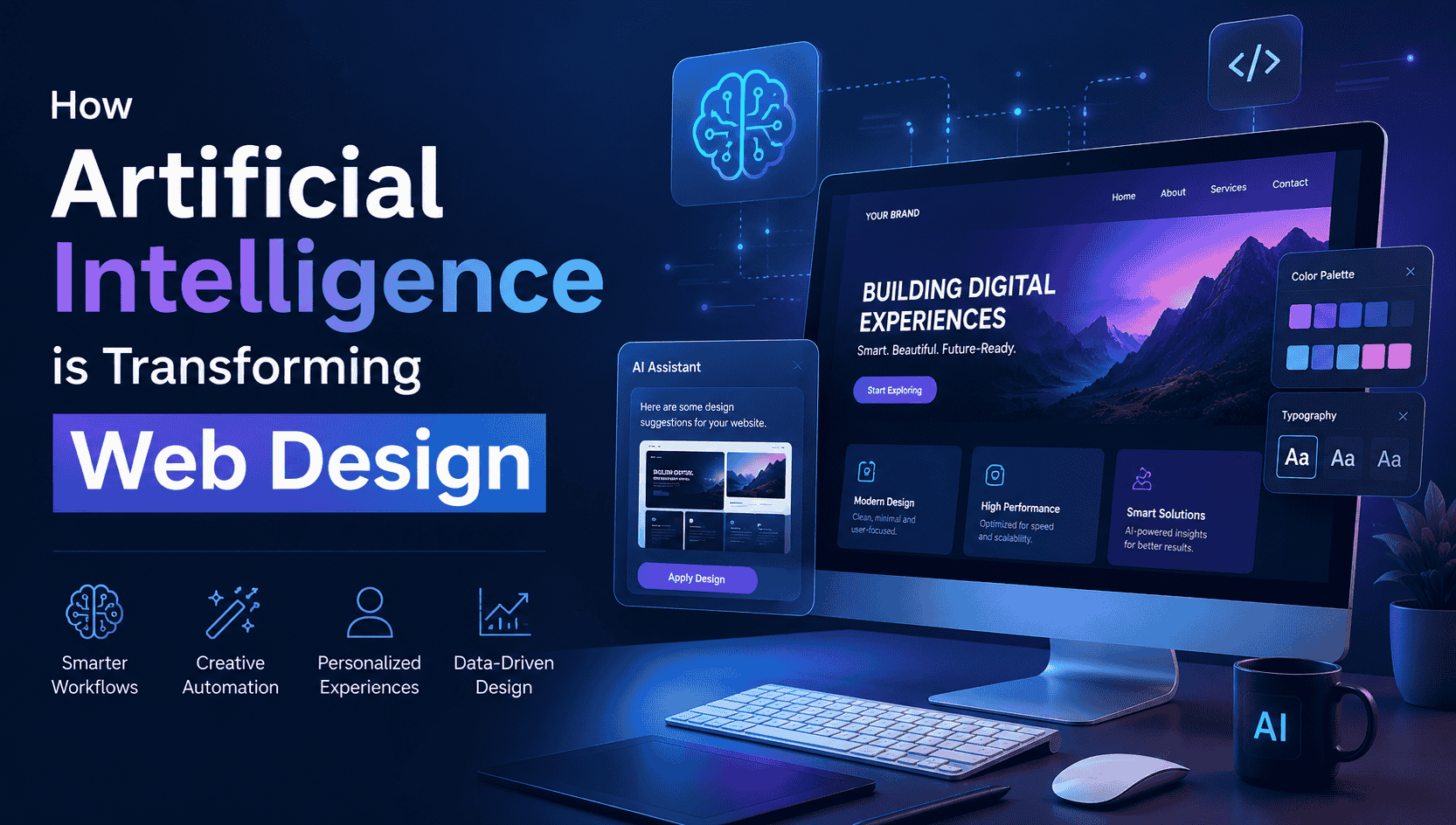
3. Artificial Intelligence and Chatbots
AI-powered features are revolutionizing customer experiences.
Modern websites utilize AI for:
- Personalized recommendations
- Intelligent chatbots
- Automated customer support
- Predictive analytics
- Content personalization
AI-driven websites can provide instant assistance, reducing response times and increasing customer satisfaction.
Businesses interested in advanced solutions often explore custom application development to integrate AI-powered features tailored to their specific needs.
4. Voice Search Optimization
Voice assistants such as Siri, Google Assistant, and Alexa have changed how users search online.
Websites optimized for voice search benefit from:
- Better accessibility
- Increased organic traffic
- Improved local search visibility
- Enhanced user convenience
Voice search optimization is becoming an important part of modern SEO strategies.
5. Accelerated Website Performance
Website speed directly impacts:
- User satisfaction
- Conversion rates
- Bounce rates
- Search engine rankings
Modern technologies improve performance through:
- Content Delivery Networks (CDNs)
- Image optimization
- Code minification
- Lazy loading
- Server-side rendering
- Modern JavaScript frameworks
Fast websites create better experiences and encourage visitors to stay longer.
6. Headless CMS Architecture
Traditional content management systems are evolving.
Headless CMS solutions offer:
- Faster performance
- Greater flexibility
- Multi-platform content delivery
- Enhanced scalability
- Better developer experience
Businesses seeking advanced content management capabilities often choose modern website architectures powered by React and API-driven frameworks.
Organizations implementing React JS applications can deliver highly interactive and scalable digital experiences.
Benefits of Having a User-Friendly Website
Enhanced Customer Satisfaction
Visitors appreciate websites that are easy to use.
When customers can quickly find information, navigate effortlessly, and complete tasks without confusion, they are more likely to have a positive experience with your brand.
Satisfied users often:
- Return to your website
- Recommend your business
- Become loyal customers
- Leave positive reviews
Improved Search Engine Rankings
Search engines reward websites that provide excellent user experiences.
Important ranking factors include:
- Mobile responsiveness
- Fast loading speed
- Low bounce rates
- High engagement rates
- Secure connections
Combining user-friendly design with effective digital marketing and SEO strategies can significantly improve online visibility.
Higher Conversion Rates
A user-friendly website helps guide visitors toward desired actions.
Examples include:
- Making purchases
- Submitting contact forms
- Scheduling appointments
- Downloading resources
- Requesting quotes
Clear navigation and effective call-to-action buttons reduce friction and increase conversions.
Stronger Brand Credibility
Users often judge a business based on its website.
A modern, professional website communicates:
- Reliability
- Expertise
- Trustworthiness
- Professionalism
Outdated websites can create negative impressions and drive potential customers away.
Better Mobile User Experience
Mobile responsiveness ensures your website performs well across all devices.
Benefits include:
- Greater accessibility
- Increased mobile conversions
- Lower bounce rates
- Improved user engagement
Modern websites prioritize responsive design from the beginning of the development process.
Increased Accessibility
Accessible websites allow people with disabilities to interact with content effectively.
Accessibility improvements include:
- Keyboard navigation
- Screen reader compatibility
- Proper color contrast
- Alternative image text
- Readable typography
Accessibility not only expands audience reach but also demonstrates social responsibility.
Improved Website Security
Cybersecurity is a growing concern for businesses and users alike.
Modern websites implement:
- SSL certificates
- Secure authentication
- Data encryption
- Firewall protection
- Vulnerability monitoring
Businesses handling customer data must prioritize security to maintain trust and comply with regulations.
Professional QA testing services can help identify vulnerabilities before they impact users.
The Role of Modern Development Technologies
React and Modern JavaScript Frameworks
Modern frameworks offer:
- Faster rendering
- Dynamic user interfaces
- Better scalability
- Enhanced performance
React, Vue, and Angular are commonly used to create highly interactive web applications.
Cloud-Based Infrastructure
Cloud hosting provides:
- Improved reliability
- Automatic scalability
- Better security
- Faster global access
Cloud-powered websites can handle traffic spikes more effectively than traditional hosting solutions.
API-Driven Development
Modern websites increasingly rely on APIs for:
- Payment processing
- CRM integrations
- Marketing automation
- Third-party services
- Mobile app synchronization
API-driven development creates more flexible and scalable digital ecosystems.
E-Commerce Innovations
Online shopping experiences continue to evolve rapidly.
Latest e-commerce trends include:
- Personalized recommendations
- AI-driven search
- One-click checkout
- Mobile payments
- Augmented reality product previews
Businesses looking to expand online sales can benefit from professional eCommerce application development solutions.
How User-Friendly Websites Improve Business Growth
Increased Customer Retention
Happy users are more likely to return.
A smooth website experience builds long-term customer relationships and encourages repeat business.
Better Lead Generation
User-friendly websites simplify lead capture through:
- Contact forms
- Chatbots
- Landing pages
- Newsletter subscriptions
Well-designed lead generation funnels can dramatically improve business growth.
Reduced Support Costs
When users can easily find information themselves, businesses experience:
- Fewer support tickets
- Lower customer service costs
- Increased operational efficiency
Self-service features and intuitive navigation reduce dependency on support teams.
Improved Marketing Performance
Marketing campaigns perform better when directing users to optimized websites.
Benefits include:
- Higher ad quality scores
- Better conversion rates
- Increased return on investment
- Enhanced user engagement
Combining website optimization with strategic SEO and digital marketing efforts creates powerful growth opportunities.
Future Technology Trends Shaping User-Friendly Websites
Artificial Intelligence Everywhere
AI will continue transforming:
- Customer support
- Content recommendations
- Website personalization
- Data analysis
Augmented Reality (AR)
AR experiences allow users to:
- Visualize products
- Explore virtual environments
- Interact with brands in innovative ways
Machine Learning Personalization
Machine learning enables websites to deliver:
- Customized content
- Personalized recommendations
- Improved customer journeys
Advanced Cybersecurity Measures
Future websites will increasingly adopt:
- Biometric authentication
- AI-driven threat detection
- Zero-trust security models
Sustainable Web Design
Green web development focuses on:
- Energy-efficient hosting
- Optimized performance
- Reduced resource consumption
Sustainable websites help businesses align with environmental goals while improving performance.
Choosing the Right Development Partner
Building a user-friendly website requires expertise in:
- UX/UI design
- Frontend development
- Backend development
- SEO optimization
- Security implementation
- Performance optimization
Working with experienced professionals offering professional web development services ensures your website is built using modern best practices and the latest technologies.
Businesses looking for complete digital solutions can also benefit from services such as mobile app development, WordPress development, and Python application development to support long-term digital growth.
Conclusion
A user-friendly website is one of the most valuable assets a business can have in today’s digital world. It enhances customer satisfaction, improves search engine rankings, increases conversions, strengthens brand credibility, and supports long-term growth.
By embracing the latest technology trends such as AI, responsive design, Progressive Web Apps, modern JavaScript frameworks, cloud infrastructure, and advanced security measures, businesses can create exceptional digital experiences that meet evolving customer expectations.
Investing in a modern, user-friendly website is not just about staying current—it’s about creating meaningful customer experiences that drive engagement, loyalty, and revenue. Organizations that prioritize usability and technological innovation will be better positioned to succeed in an increasingly competitive online marketplace.